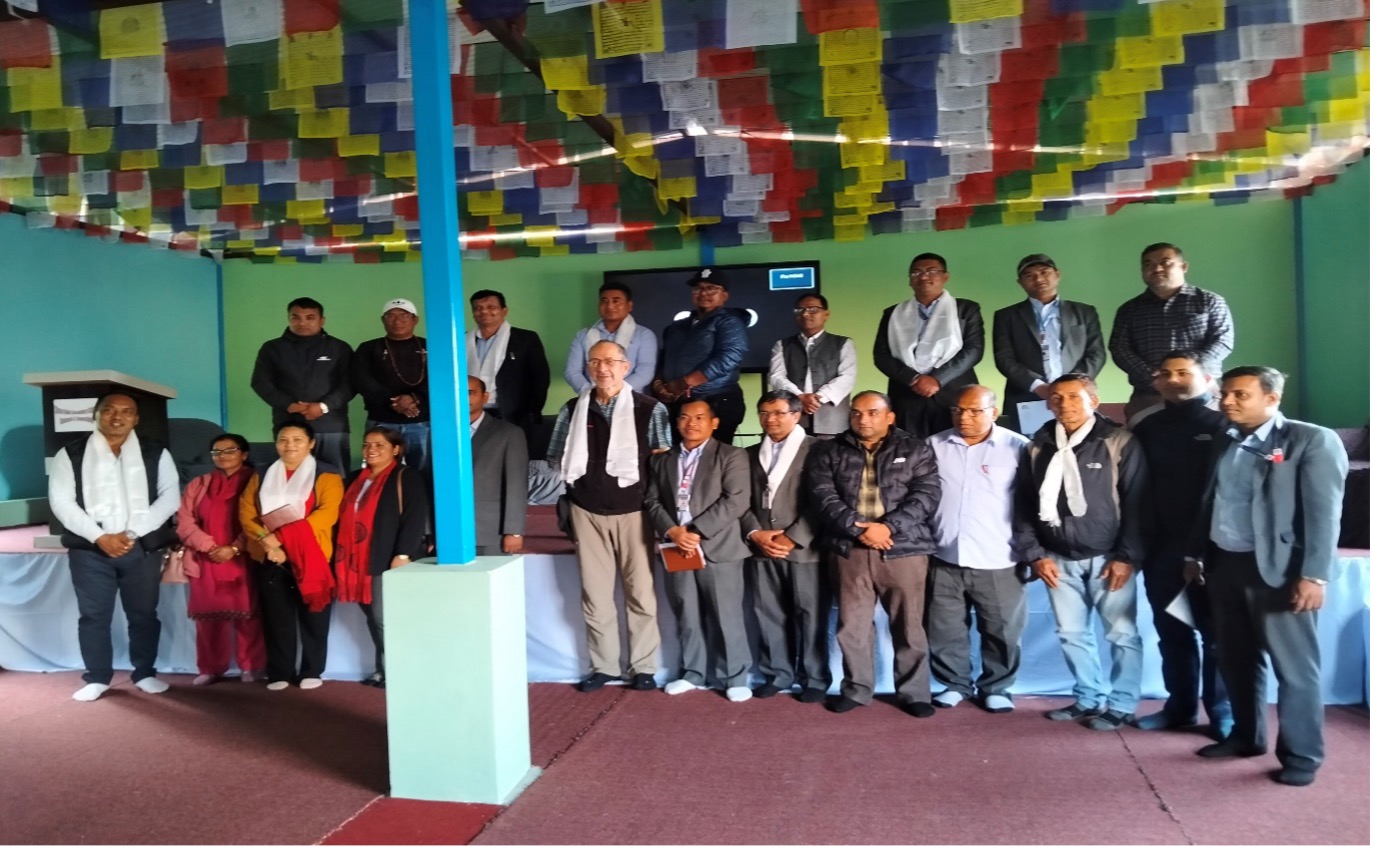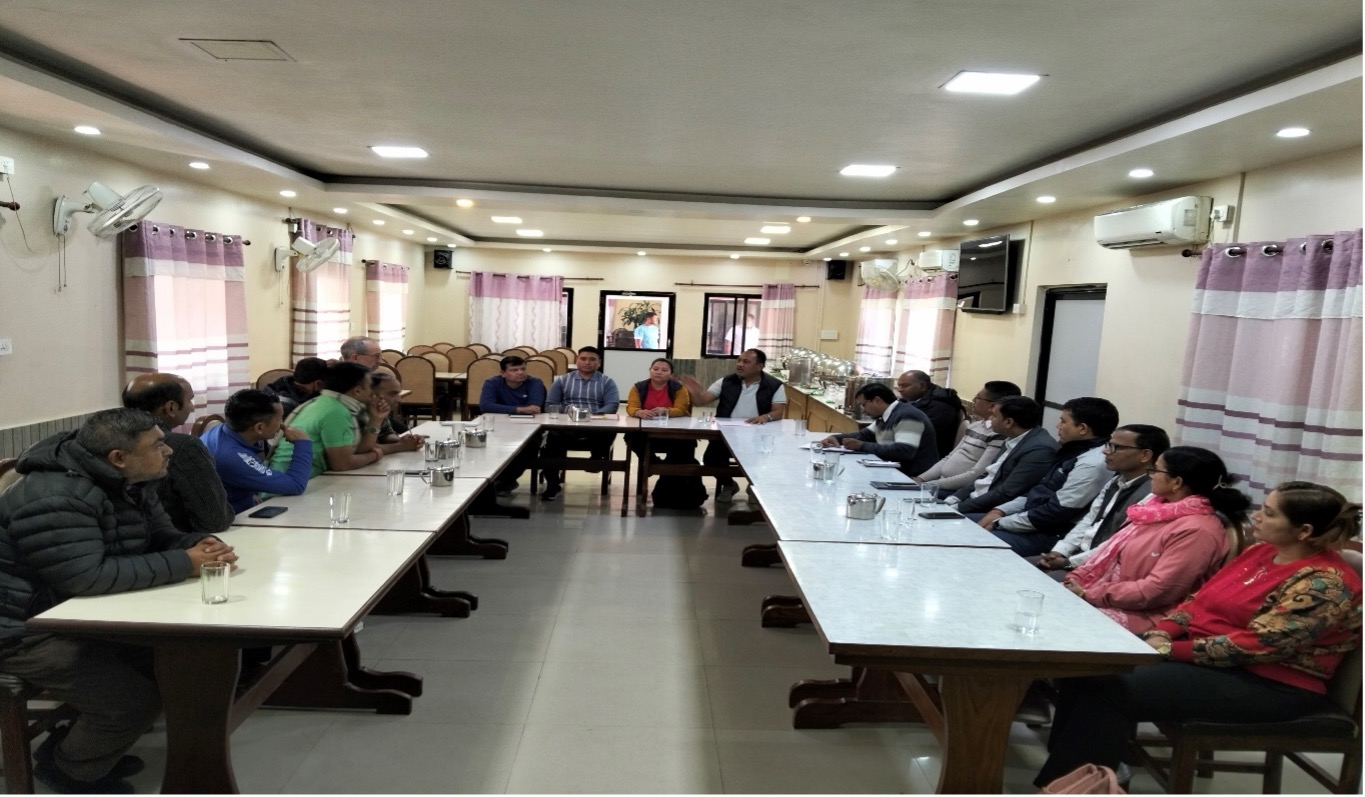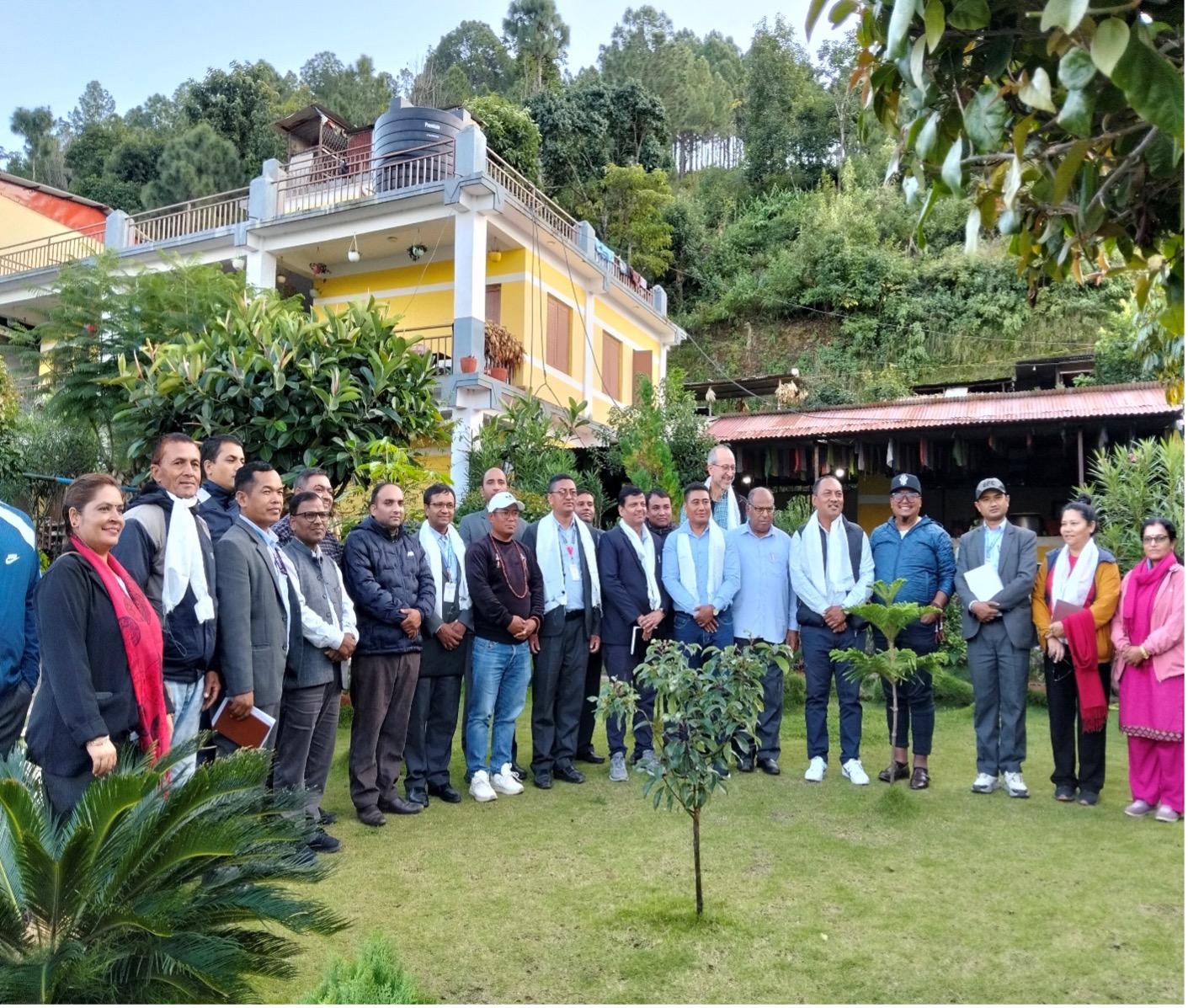
Visit Date: 7,8 October 2025
Participants of Visit:
- Sanjay Tamang Ujyalo Nepal, Chairman
- Uday Kairala Education Head of Mu.
- Sundar Lama Ward Chairman- 4
- Sunita Younjan Ujyalo Nepal, PC
- Norbet Grobbel Lichtblick Germany Vice Chairman
- Jay Ram Adhikari Sanbamangala SS, Principal
- Sunil Sapkota " PTA Chiarman
- Yubraj Kadel ''
- Sarbotam Giri ''
- Subash Magar ''
- Ram Bhakta Shrestha Dugdheshwore SS Principal
- Dipendra Mahato ''
- Chandra kala Parajuli ''
- Gita Gautam ''
- Narendra Jha Janata SS Teacher
- Dev Raj Gautam ''
- Sokendra Shah ''
- Ram Hari Parajuli ''
- Sambhu Psd Dhugana Janata SMC chairman
1.Background
The educational exposure visit organized by Ujyalo Nepal, in collaboration with the Panchkhal Municipality Education Section, aimed to enhance the understanding of best practices in school leadership, sanitation models, discipline frameworks, and academic management. This visit intended to help teachers, parents, and education officials from three different schools Sarbamangala Se. School, Dugdheshwor Se. School and Janata Se. Schools subject teachers like (Math, English and Science) including Principal and active SMC members explore the successful strategies that have shaped Dahu Secondary School into a model institution. With a total of 19 participants, the visit symbolized a collective commitment toward educational improvement.
2. Details of the Visit
The visitors were particularly impressed by the culture of removing shoes outside classrooms, a practice that helped maintain cleanliness. Students demonstrated discipline, politeness and awareness regarding hygiene-traits deeply embedded in the school's culture.
Participants were divided into two groups to explore various parts of the school, including classrooms, hostels, administrative offices, and outdoor spaces. Later, an interaction session was organized in the hall, where the Vice Principal, Mr.Hira Tamang, presented key achievements, future goals, and the operational system of the school. The Principal, Mr. Dal Bahadur Bal, shared the inspiring history of the school, highlighting his years of struggle, dedication and leadership that transformed the school into a model institution.
The following morning, a review session allowed participants to share reflections and commitments. Each school promised to adopt feasible practices learned during the visit. The program concluded with expressions of gratitude toward the organizers.
3.Overview of Dahu Secondary School
Dahu Secondary School, established in 2018 B.S., is located in Sunapati Rural Development Committee, Ward No. 4, Ramechhap District. With over 575 students, including 275 hostel residents, the school operates with English as the medium of instruction. The school environment is multilingual, with students commonly using English, Nepali, and Tamang. A notable feature of the school is its use of smart boards in grades 6 to 10 and the installation of CCTV cameras in every classroom to ensure transparency and safety. The academic evaluation includes three term exams, mid-term
assessments, and project-work-based grading. Additional learning materials, such as grammar books and literature, further support student improvement.
4. School Success and Key Strengths
The primary force behind the school's transformation is the strong leadership of Principal Dal Bahadur Bal who emphasizes teamwork, discipline, dedication, and student-centered approaches. His leadership style is inspirational treating teachers as collaborators rather than subordinates. Discipline and sanitation form the backbone of the school. The sanitation chain model ensures the school premises are cleaned three times daily, involving students from each grade. This instills responsibility, ownership, and cleanliness in students from a young age.
The teacher recruitment system follows a performance-based approach, where teachers are evaluated by students. The academic audit system ensures professional accountability. Teachers who fail to perform satisfactorily are replaced ensuring only dedicated educators remain at the school. The school provides remedial classes, ICU support for students needing special attention, and pre-exam exposure programs in Kathmandu and Bhaktapur for SEE students. These practices have resulted in outstanding academic outcomes, including a strong average GPA for Grade 10 in 2025.
The school's guiding philosophy rejects corporal punishment. Instead, teachers are encouraged to treat students with care and empathy. This approach builds trust, respect, and a positive learning space. The school organizes refreshment programs to support emotional well-being.
5.Key Learnings from the Visit
The visit provided important lessons in leadership, discipline, accountability,
sanitation, and student-centered education. Some major learnings include:
- Strong leadership is essential for school transformation.
- Discipline and cleanliness can be achieved through consistent systems.
- Student feedback in teacher evaluations increases accountability.
- Emotional support and care improve learning outcomes.
- Extended school days and comprehensive academic support contribute to higher student achievement.
- Technology enhances teaching effectiveness.
- Respecting local culture while promoting English-medium instruction leads to inclusive learning.
- Most of the students were kept in hostel where there was proper guidance of the teachers.
- The school had run different earning programs like production of organic vegetable, poultry and Buddha chiita mala.
- Weekly ECA programs and sports activities were run properly and participation of students in those activities was smooth and active.
6.Recommendations
Based on the visit, the following recommendations are proposed:
- Introduce leadership development programs for school heads and teachers.
- Implement structured sanitation chain systems.
- Apply academic audits or student feedback systems.
- Establish remedial and ICU classes for struggling learners.
- Increase instructional days to improve academic performance.
- Install smart boards and CCTV cameras as resources allow.
- Encourage inter-school teacher exchange programs.
- Strengthen extracurricular activities to balance holistic development.
7.Conclusion
The visit to Dahu Secondary School was highly educational and inspiring. The institution stands as a powerful example of how strong leadership, dedication, discipline, and innovation can transform a rural government school. The practices observed during the visit will significantly contribute to improve teaching and management in our own school.
From that observation we have planned to apply some activities instantly like as bringing the students morally discipline, keeping school area and students personal hygiene neat and clean, using of ICT tools in the class room what we have in school, running extra classes for very poor students in study etc.